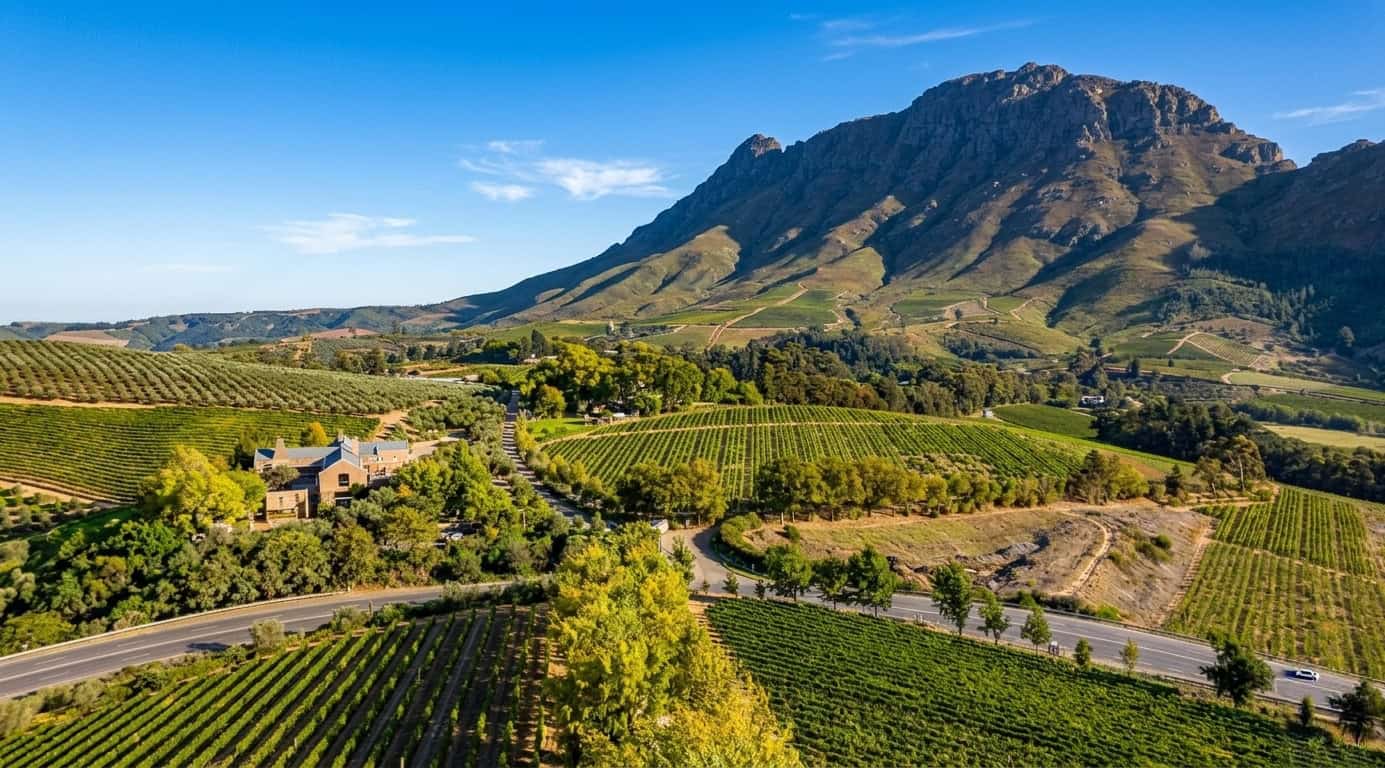
I’ve always found it a bit surreal that you can be standing in the middle of a high-tech city center, surrounded by glass skyscrapers and bustling traffic, and within a mere twenty-minute drive, you can find yourself under the canopy of 300-year-old oak trees, listening to the wind rustle through rows of Sauvignon Blanc. This is the magic of the Constantia Wine Route. It isn’t just a collection of farms; it is the cradle of South African viticulture, a lush, green amphitheater tucked into the eastern slopes of the Constantiaberg.
Whenever I take friends from out of town on this route, they’re usually struck by the sheer heritage of the place. We aren’t talking about “new world” wine in the way many people think of it. This is a valley that was supplying the royal courts of Europe and the cellars of emperors while most of the modern wine world was still in its infancy. But don’t let the history fool you into thinking it’s a dusty museum. Today, Constantia is home to some of the most avant-garde winemaking and world-class dining on the planet.
If you’re ready to trade the Atlantic sea breeze for the earthy, refined charm of the valley, here is everything you need to know about navigating the oldest wine route in the Southern Hemisphere.
1. The Heritage Giants: Where the Story Began
You can’t understand Constantia without acknowledging Simon van der Stel, the first Governor of the Cape. In 1685, he was granted a massive parcel of land that he named Constantia. After his death, this land was eventually broken up into the iconic estates we know today.
Groot Constantia
This is the big one. If the Wine Route had a capital city, this would be it. Walking onto the grounds of Groot Constantia feels like stepping into a period drama. The Cape Dutch Manor House is one of the most photographed buildings in the country, and for good reason. It’s an architectural masterpiece.
- What to Do: Visit the Cloete Cellar. This is the only place where the world-famous “Grand Constance” (the sweet wine that made the valley legendary) was produced back in the day.
- The Vibe: It’s grand, historic, and very welcoming to families. There are sprawling lawns and two excellent restaurants, including Jonkershuis.
Klein Constantia
If Groot is the historical heart, Klein Constantia is the keeper of the flame. This estate is world-renowned for recreating the legendary “Vin de Constance.” Napoleon Bonaparte reportedly requested it on his deathbed, and Jane Austen mentioned it in her novels as a cure for a broken heart.
- The Wine: You have to try the Vin de Constance. It’s a natural sweet wine made from Muscat de Frontignan grapes, and it tastes like liquid gold, honey, and dried apricots.
- The Setting: It’s often described as one of the most beautiful wine estates in the world, with vineyards that climb high up the slopes of the mountain.
Key Takeaway: The history of Constantia is inseparable from its sweet wines. Start your journey at one of these two estates to truly appreciate the valley’s global legacy.
2. The Cool Climate Kings: Sauvignon Blanc and Bordeaux Blends
While the history is sweet, the modern reality of Constantia is crisp, acidic, and refined. Because of the valley’s proximity to False Bay, the vines are constantly cooled by the “Cape Doctor” wind and the ocean mists. This creates a micro-climate that is perfect for Sauvignon Blanc.
Steenberg Vineyards
Technically the oldest farm in the Cape (established in 1682), Steenberg is a masterclass in understated luxury. They produce some of the finest Méthode Cap Classique (MCC) sparkling wine in the country.
- The Experience: The tasting room is a work of art, featuring a massive chandelier made of glass grapes. It’s the perfect spot for a sophisticated afternoon of bubbles.
- Dining: Bistro Sixteen82 is almost always packed, offering incredible tapas and seasonal dishes.
Constantia Glen
Perched on the “saddle” between the Constantiaberg and the sea, this boutique estate offers a view that will make you forget your own name. They specialize in Bordeaux-style red and white blends.
- The Boards: They are famous for their charcuterie and cheese boards. Sitting on their sun-drenched deck with a glass of Constantia Glen Five (their flagship red) is, in my opinion, the best way to spend a Sunday afternoon.
Key Takeaway: If you’re a fan of white wine, Constantia is your hallowed ground. The Sauvignon Blancs here are known for their flinty, mineral quality that you just won’t find in warmer regions.
3. The Modern Mavericks: High Altitude and Bold Design
As you move further up the mountain, the estates become smaller, the slopes steeper, and the views even more dramatic. This is where the “new” Constantia shines.
Beau Constantia
This is a contemporary, boutique farm that feels like it’s hanging off the edge of the world. The tasting room is a glass box that looks out over the entire valley toward the ocean.
- The Food: It’s home to Chefs Warehouse at Beau Constantia. This is one of the most sought-after tables in South Africa, so if you want to eat here, you need to book months in advance.
- The Wine: Try the “Pas De Nom” range. It’s approachable, high-quality, and perfect for the setting.
Eagles’ Nest
Located high up on the Constantia Neck, this farm was nearly destroyed by a devastating fire in 2000. They used the tragedy as an opportunity to replant the entire farm with varietals that suit the steep terrain.
- The Syrah: Their Shiraz/Syrah is consistently rated as one of the best in South Africa. It’s peppery, bold, and incredibly elegant.
- The Setting: The tasting area is set under a canopy of trees next to a stream. It feels more like a private garden than a commercial wine farm.
Key Takeaway: The “upper” estates like Beau Constantia and Eagles’ Nest offer a more intimate, modern experience compared to the historical giants on the valley floor.
4. Beyond the Glass: Nature and Wellness
Constantia isn’t just for wine drinkers. It’s a massive green belt that is a playground for hikers, mountain bikers, and nature lovers.
Walking the Trails
If you need to clear your head between tastings, there are several incredible trails that wind through the vineyards and forests.
- The Alphen Trail: A gentle, flat walk that follows the Diep River. It’s perfect for a post-lunch stroll and is very popular with locals walking their dogs.
- Cecilia Forest: For something a bit more strenuous, head here. The paths lead through lush greenery and eventually connect to the higher reaches of Table Mountain.
Silvermist Vineyards
This is the only organic wine farm in the valley and is part of a larger private nature reserve. It’s wilder and more rugged than its neighbors. It also happens to be where the world-renowned La Colombe is located—consistently ranked among the best restaurants in the world.
5. Practical Tips for the Constantia Route
To make the most of your day, you need to handle the logistics properly. Constantia is a wealthy residential area, so the roads can be narrow and the estates can get very busy on weekends.
- Transport: Don’t even think about driving if you plan on tasting. Use e-hailing services like Uber; they are extremely prevalent in Constantia. Alternatively, the “Blue Route” of the City Sightseeing Red Bus stops at several major estates.
- Booking: I can’t stress this enough: book your tastings and lunches. Even if you’re just doing a simple tasting, a quick call or an online booking ensures you won’t be turned away.
- The “Two-Estate” Rule: Because the wines here are sophisticated and the settings are so beautiful, don’t try to rush through five or six farms. Pick two—maybe one historic and one modern—and really settle in.
- Pricing: Every estate has its own fee structure for tastings. Some waive the fee if you buy a bottle, while others have set tiers. Always check the official websites for the most current information.
Why Constantia Still Wins
There are newer wine regions in South Africa with flashier buildings and more experimental grapes, but Constantia remains the crown jewel for a reason. It has a “soul” that you can’t manufacture. You feel it when you walk through the Cloete Cellar, and you taste it in a glass of Sauvignon Blanc that was grown in granite-rich soil that has been farmed for three centuries.
It’s a place where the past and the future coexist in a perfectly chilled glass of wine. Whether you’re here for the history, the food, or just the view from a glass box on the side of a mountain, Constantia always delivers. Just remember to take a moment to put your phone down, breathe in the scent of the fynbos and the fermenting grapes, and appreciate the fact that you’re in one of the most special valleys on the planet.