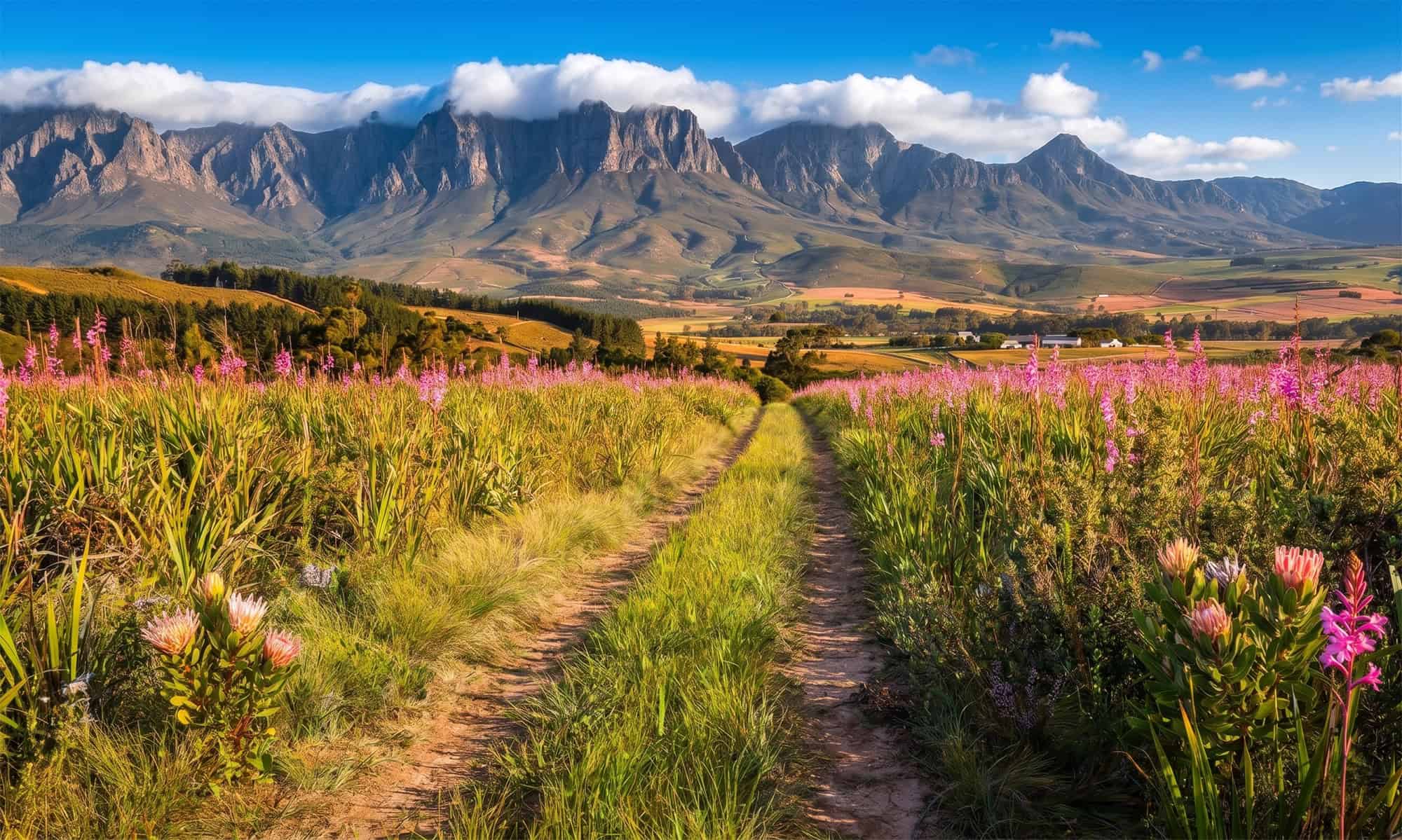
If you’ve ever driven toward the Hottentots Holland Mountains from Cape Town, you’ve likely seen the dramatic, jagged silhouette of the Helderberg Mountain looming over Somerset West. It’s a mountain that looks like it belongs in a high-fantasy novel—all sheer rock faces and deep, shadowed ravines. But tucked away at the very base of these formidable cliffs lies a sanctuary that often flies under the radar of the average tourist. This is the Helderberg Nature Reserve, a place where the air smells like wild fynbos and the only traffic you’re likely to encounter is a family of tortoises crossing a gravel path.
I’ve always maintained that while Kirstenbosch has the fame and the manicured lawns, the Helderberg has the soul. It is rugged, it is authentic, and it offers a perspective of the False Bay coastline that will make you stop in your tracks. Whether you are a hardcore trail runner looking for a vertical challenge or a family seeking a quiet patch of grass for a Sunday picnic, this reserve is a mandatory stop on any Cape itinerary. It’s a place that invites you to slow down, look closer at the tiny details of a protea flower, and eventually, if you’re brave enough, climb high enough to see the world from a bird’s perspective.
A Botanical Journey Through the Cape Floral Kingdom
The Helderberg Nature Reserve is essentially a living library of the Cape Floral Kingdom. Because the reserve spans several different altitudes and soil types, the diversity of plant life here is staggering. For the casual walker, this means that every hundred meters the landscape shifts. You move from lush, shaded forests near the entrance to open, sun-drenched slopes covered in “sugarbushes” and “pincushions.”
If you visit during the winter and spring months, the reserve puts on a floral show that is hard to beat. The Proteas here are world-class. There is something profoundly moving about seeing a King Protea—our national flower—blooming in the wild rather than in a vase. They look prehistoric, almost alien, with their massive pink petals and fuzzy centers. But don’t just look at the big stuff. If you crouch down, you’ll see thousands of tiny Ericas and delicate orchids that only reveal themselves to those who aren’t in a hurry.
- The Sugarbird Connection: Keep an eye out for the Cape Sugarbirds. These charismatic birds with their impossibly long tails are the primary pollinators here. Watching them dive into the heart of a Protea is a quintessential Cape experience.
- The Herbarium: For those who want to get technical, the Friends of the Helderberg maintain a fantastic information center near the gate that can help you identify exactly what you’ve just seen on the trail.
- Accessible Beauty: The lower sections of the reserve feature several gentle, paved, or well-graded paths, making it possible for everyone to enjoy the floral diversity without needing a pair of heavy-duty hiking boots.
Key Takeaway: The reserve is a premier destination for spotting indigenous South African flora in its natural habitat, with the King Protea and Cape Sugarbird being the undisputed stars of the show.
Choosing Your Adventure Among the Trails
The beauty of the Helderberg is that it caters to every level of fitness. The trails are color-coded and exceptionally well-marked, so you don’t need to be a mountain guide to find your way around.
The Gentle Sugarbird and Protea Routes
If you’re looking for a leisurely stroll, the Sugarbird and Protea routes are perfect. They wind through the lower slopes of the mountain and are relatively flat. These are the best paths for photography, as they pass through the densest sections of the fynbos gardens. I’ve spent many mornings here just sitting on one of the well-placed benches, watching the mist lift off the Somerset West valley below.
The Moderate Leopard Loop
For those who want to get their heart rate up a bit, the Leopard Loop is a fantastic choice. It climbs slightly higher up the mountain, offering spectacular views of [suspicious link removed] and the distant [suspicious link removed]. The terrain becomes a bit rockier here, and you’ll start to get a real sense of the “wildness” of the mountain. Despite the name, you’re very unlikely to see a leopard, though they do roam the higher, inaccessible peaks of the Hottentots Holland range.
The Grueling West Peak Challenge
Then there is the big one: the hike to West Peak. This is not for the faint of heart or the poorly hydrated. It is a steep, unrelenting climb that takes you to the very summit of the mountain. However, the reward is one of the best views in the Southern Hemisphere. From the top, you can see all the way to Table Mountain in the west, the Hangklip mountains in the east, and the vast expanse of the Atlantic Ocean in between. On a clear day, it feels like you can see the entire curve of the Earth.
- Duration: The lower loops take about 30 to 60 minutes, while the West Peak hike can take anywhere from 4 to 7 hours depending on your pace.
- Safety First: If you are tackling the higher peaks, always sign the hiker’s register at the gate and never hike alone. The mountain weather can change in a heartbeat.
Key Takeaway: With trails ranging from flat botanical walks to strenuous summit hikes, the Helderberg provides a tailored mountain experience for every type of outdoor enthusiast.
Family Picnics and the Eco Centre Experience
Beyond the hiking, the Helderberg Nature Reserve is a beloved family destination. Near the entrance, there are sprawling green lawns that are perfectly shaded by ancient trees. On a sunny Sunday afternoon, you’ll see families spread out on blankets, children playing near the stream, and the occasional peacock wandering through the picnic area.
One of the standout features of the reserve is the Eco Centre. This building is a marvel of sustainable architecture, constructed using straw bales and natural materials. It serves as an educational hub where you can learn about the local ecosystem, the importance of water conservation, and the history of the reserve. It’s a great place to take the kids to spark an interest in conservation.
- Oak Café: If you didn’t pack a picnic, don’t worry. The Oak Café is located right in the heart of the reserve. They serve fantastic coffee, light lunches, and decadent cakes. Sitting on their deck with a view of the mountain is one of the most relaxing ways to spend an afternoon.
- The Playground: There is a well-maintained jungle gym and play area near the picnic site, making it easy for parents to relax while the kids burn off some energy.
- No Braais: To protect the sensitive fynbos and the surrounding residential areas from fire, braais (barbecues) are strictly prohibited in the reserve. Stick to cold picnic treats!
Key Takeaway: The reserve’s picnic areas and sustainable Eco Centre make it a top-tier family destination, offering a safe and educational environment for children to engage with nature.
Essential Tips for a Seamless Visit
To make sure your day at the Helderberg is a success, there are a few practicalities to keep in mind. This is a protected area, and the rules are there to ensure both your safety and the preservation of the environment.
- Check the Gate Times: The reserve has seasonal opening and closing times. They are quite strict about locking the gates, so make sure you give yourself plenty of time to get back down from the higher trails before sunset.
- Hydration is Non-Negotiable: The Helderberg can get incredibly hot, and the fynbos offers very little shade once you leave the picnic area. Carry at least 2 liters of water if you’re doing anything more than the Sugarbird walk.
- The Wind Factor: Somerset West is known for its “South Easter” wind. If the wind is pumping in Cape Town, it’s usually even stronger here. Check a local wind forecast before you plan a picnic.
- Entry and Permits: There is a small entry fee per person and per vehicle. If you’re a local, it’s well worth joining the Friends of the Helderberg, which gives you unlimited access and helps fund the reserve’s conservation projects.
- Respect the Wildlife: You’ll likely see tortoises, sunbirds, and perhaps a small antelope like a Grysbok. Remember that you are a guest in their home. Never feed the animals, as this disrupts their natural behavior.
Why the Helderberg Stays in Your Memory
There is a specific kind of peace that you find on the slopes of the Helderberg. It lacks the tourist frenzy of the central city and the commercial gloss of the bigger estates. It feels like a secret that the locals are slowly letting the rest of the world in on.
Whether you’ve spent the morning sweating your way to the West Peak or simply enjoyed a quiet cup of coffee at the Oak Café while watching the sugarbirds, you’ll leave the reserve feeling a little more grounded. It’s a reminder that the most spectacular experiences in the Cape don’t always require a cable car or a long queue. Sometimes, they just require a pair of walking shoes and a willingness to look up.