If you’ve spent more than ten minutes at the V&A Waterfront, you’ve likely felt the pull of the Clock Tower district. It’s a bit quieter over there, tucked away from the main mall’s frantic energy. Most people head that way for the Robben Island ferry, but if you look toward the Level 1 area of the Clock Tower, you’ll find a place that holds a different kind of weight. The Cape Town Diamond Museum isn’t just another tourist stop; it’s a portal into a three-billion-year-old story that quite literally shaped the South African soul.
Walking in, you’re immediately struck by the silence. It’s a sharp contrast to the harbor’s gulls and buskers. I’ve always found that there is something about diamonds that commands a certain level of hushed respect. Maybe it’s the pressure they’ve endured or the sheer time they’ve spent waiting in the dark. Whatever it is, the museum manages to capture that intensity without feeling like a sterile laboratory.
From Volcanic Chaos to the Palm of Your Hand
The tour doesn’t start with jewelry; it starts with fire and earth. You begin by looking at the raw, almost violent origins of these stones. It’s easy to forget that a diamond isn’t just a shiny object in a window; it’s a piece of carbon that was crushed and cooked hundreds of kilometers below the surface before being rocketed toward the sky by prehistoric volcanoes.
The museum showcases the “Kimberlite pipes”—the volcanic highways that brought these treasures within human reach. Seeing a rough diamond still stuck in its host rock is a bizarrely grounding experience. It looks like a common pebble, unremarkable and matte, with no hint of the “fire” it holds inside. It makes you realize that the value we place on these stones isn’t just about their rarity, but about the human intuition that saw potential in a piece of volcanic rubble.
One of the highlights for me has always been the replicas of the world’s most famous stones. You’ll see the Cullinan, which in its original form was roughly the size of a human heart. Standing next to a life-sized model of the Hope Diamond gives you a real sense of the obsession these stones have inspired over the centuries. Have you ever wondered why kings and emperors would go to war over a single rock? Looking at these replicas, even without the real sparkle, you start to understand the allure.
The Fever That Built a Nation
As you move through the galleries, the focus shifts from geology to the grit of the late 1800s. The 1867 discovery of the “Eureka” diamond on the banks of the Orange River changed South Africa forever. It triggered a migration that brought thousands of fortune-seekers from every corner of the globe to the red dust of Kimberley.
The museum does a beautiful job of illustrating the Diamond Rush through old photographs and artifacts. You can see the primitive picks and shovels used by the early miners and get a sense of the sheer physical toll the “Big Hole” took on those who dug it. It’s a complex history—one of immense wealth and industrialization, but also of deep social shifts and the birth of the modern South African economy. You leave this section realizing that the skyscrapers of Johannesburg and the railways of the Cape were built, quite literally, on the back of these tiny stones.
A Masterclass in Human Precision
Perhaps the most mesmerizing part of the visit is the chance to watch the artisans at work. The museum is a gift from Shimansky, and they’ve integrated a working studio into the experience. There is something hypnotic about watching a master diamond polisher hunched over a spinning wheel.
It’s a high-stakes game of geometry. One tiny error in the angle of a facet and the stone’s ability to reflect light—its “brilliance”—is compromised forever. Watching them transform a dull, opaque rough stone into a shimmering multi-faceted gem is like watching a slow-motion miracle. It’s a reminder that while nature provides the material, it’s human craft that provides the magic.
In the modern world, the conversation has shifted toward the ethics of the trade, and the museum doesn’t shy away from this. They spend a good deal of time explaining the Kimberley Process and the stringent regulations that ensure South African diamonds are conflict-free. It’s a vital piece of the puzzle. It makes the beauty of the stones feel a bit more substantial when you know they’ve been sourced and cut with a conscience.
Making the Most of Your Clock Tower Visit
The Cape Town Diamond Museum is tucked away in the Clock Tower District, which is one of my favorite corners of the V&A Waterfront. It’s a bit more “old-world” than the rest of the harbor. After your tour, I’d suggest grabbing a seat near the water and watching the swing bridge operate. It’s the perfect place to sit and digest the billions of years of history you’ve just walked through.
A few things to keep in mind:
- Book Your Spot: Because the tours are quite intimate and personalized, they really prefer that you book in advance via their official website. It’s not the kind of place where you want to be part of a massive, anonymous crowd anyway.
- Take Your Time: The museum isn’t huge, but it is dense with information. Don’t rush through the historical photographs—the stories hidden in those faces are fascinating.
- Ask the Guides: The people who lead the tours are incredibly passionate. If you’ve ever had a question about the “4 Cs” or why some diamonds are yellow or pink, this is the time to ask.
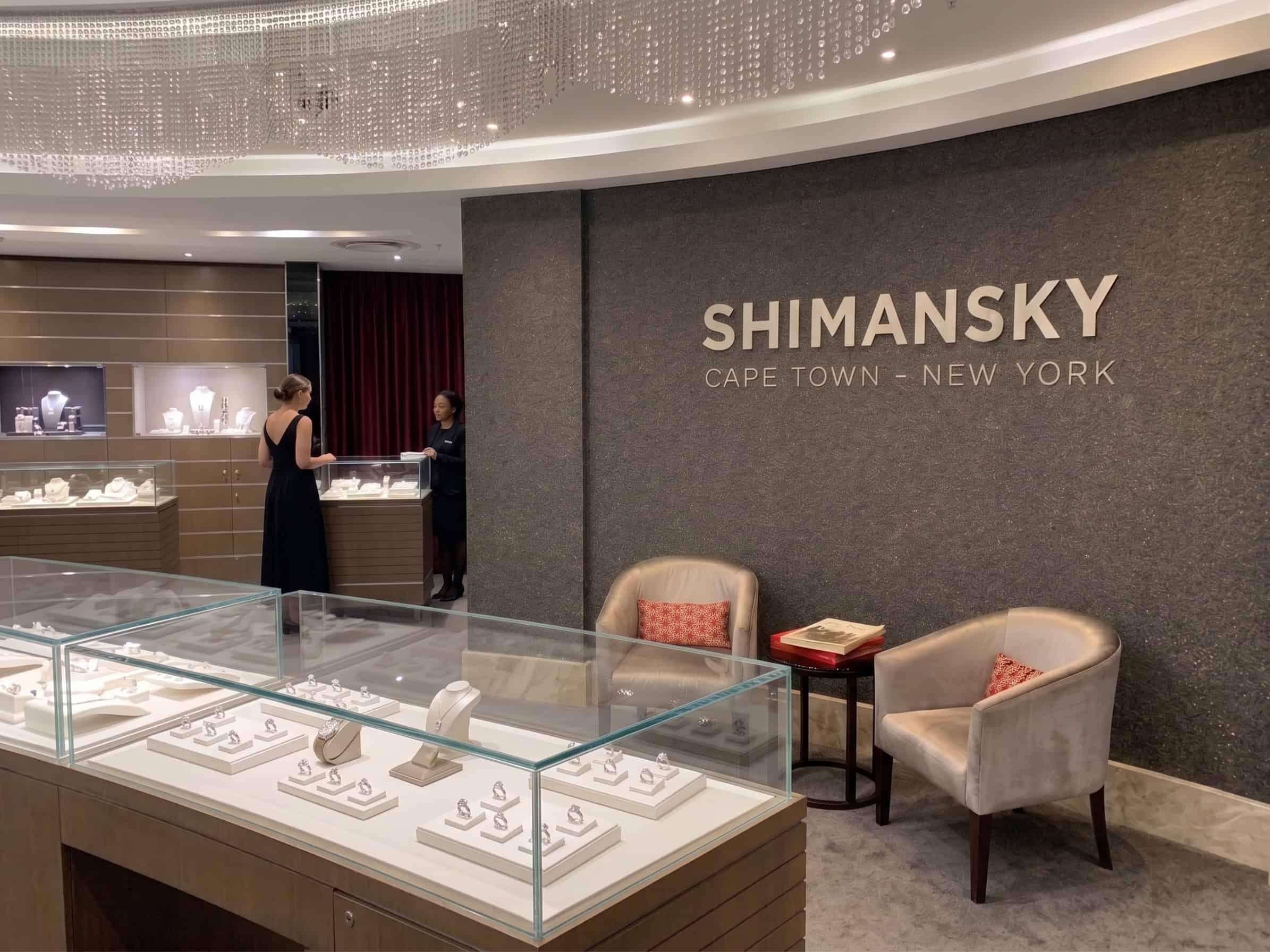
- The Showroom: Yes, it leads into a Shimansky showroom. Even if you aren’t in the market for a piece of jewelry, it’s worth wandering through just to see the “My Girl” and “Millennium” cuts, which are unique to the brand.
Ultimately, the museum is a celebration of the Cape’s place in a global story. It’s a reminder that beneath our feet and behind our history lies a geological legacy that is as enduring as it is beautiful. Whether you’re looking for a quiet escape from the wind or a deep dive into South African heritage, the Diamond Museum offers a perspective that is, quite literally, brilliant.