If you’re still wandering into generic shopping mall food courts and ordering a tub of fluorescent orange sweet and sour pork, you’re not really eating Chinese food; you’re eating a sugar-coated apology for it. It is a harsh truth, but someone has to say it: the most authentic Chinese culinary experiences in Cape Town are almost never found on the flashy main strips or tucked between high-end boutiques. Instead, they are hidden in plain sight, often operating out of unassuming suburban shopping centers, industrial-style malls, or quiet residential corridors.
The real treasures of the local Chinese food scene are the hand-pulled noodles that require actual muscle to create, the Sichuan peppercorns that make your tongue vibrate with a specific kind of electric numbness, and the dim sum that has been folded with surgical precision. Cape Town’s Chinese diaspora has quietly built a world of regional diversity here, ranging from the delicate Cantonese traditions of the south to the fiery, oil-drenched heat of the north. If you want to taste what the locals—and specifically the Chinese expat community—actually eat on a Tuesday night, you have to be willing to look past the neon signs and into the steam-filled kitchens of the city’s real specialists.
The High End Precision of Haiku
I’ll be the first to admit that “authentic” doesn’t always have to mean “hole in the wall.” For those nights when you want the precision of elite cooking without the grit of a food court, Haiku remains the heavyweight champion of the CBD. While it leans into a broader Asian-fusion identity, its roots in dim sum and traditional wok-cooking are undeniable.
What makes Haiku work is the theatricality of the kitchen. You can watch the chefs at their various stations—robata, wok, and dim sum—performing a high-speed ballet of flames and steam. Their dumplings are a masterclass in texture. I’ve often argued that you can judge any Chinese kitchen by its Har Gau (steamed prawn dumplings). If the translucent wrapper is too sticky, it’s a failure; if it’s too thick, it’s a tragedy. At Haiku, it’s a triumph.
The atmosphere is dark, moody, and sophisticated, which makes it the ideal spot for a “power dinner” or a celebration where the food needs to be as impressive as the wine list. They don’t just serve food; they serve a curated experience that bridges the gap between traditional techniques and modern Cape Town sensibilities.
- The Signature Style: Small plates meant for sharing, allowing you to sample everything from Wagyu potstickers to Peking Duck.
- The Setting: Located in the heart of the city, it’s a great jumping-off point for a night out on Bree Street or Long Street.
- The Highlight: Their spinach and cream cheese dim sum might not be strictly traditional, but it’s a local favorite for a reason—the texture is phenomenal.
Key Takeaway: Haiku is the premier choice for those seeking a high-end, sophisticated take on Chinese and Pan-Asian classics with a focus on world-class dim sum.
The Fiery Authenticity of Chef Wang in Sea Point
If you ask any local chef where they go for their “off-duty” meals, Chef Wang in Sea Point is usually at the top of the list. This isn’t a place for the faint of heart or those who are afraid of a little (read: a lot of) garlic and chili. It is one of the few places in the city that feels unapologetically Sichuan.
The room is functional rather than decorative, which is exactly what you want when the food is this bold. I once made the mistake of ordering “extra spicy” here, thinking I could handle the Durban-style heat I was used to. I was wrong. Sichuan heat isn’t just about the burn; it’s about the málà—the numbing sensation caused by the specific peppercorns they use. It’s an addictive, sensory-altering experience that keeps people coming back week after week.
Their “Water Boiled Beef” (which is a bit of a misleading name, as it’s actually poached in a sea of aromatic oil and chili) is a revelation. It’s tender, spicy, and incredibly savory. It’s the kind of place where you should go with a group, order five or six dishes you’ve never heard of, and let the table become a battlefield of flavors.
- Regional Focus: Strong emphasis on Sichuan and Northern Chinese flavors, characterized by bold spices and rich oils.
- What to Look For: The hand-pulled noodles and any dish featuring “house-made chili oil.”
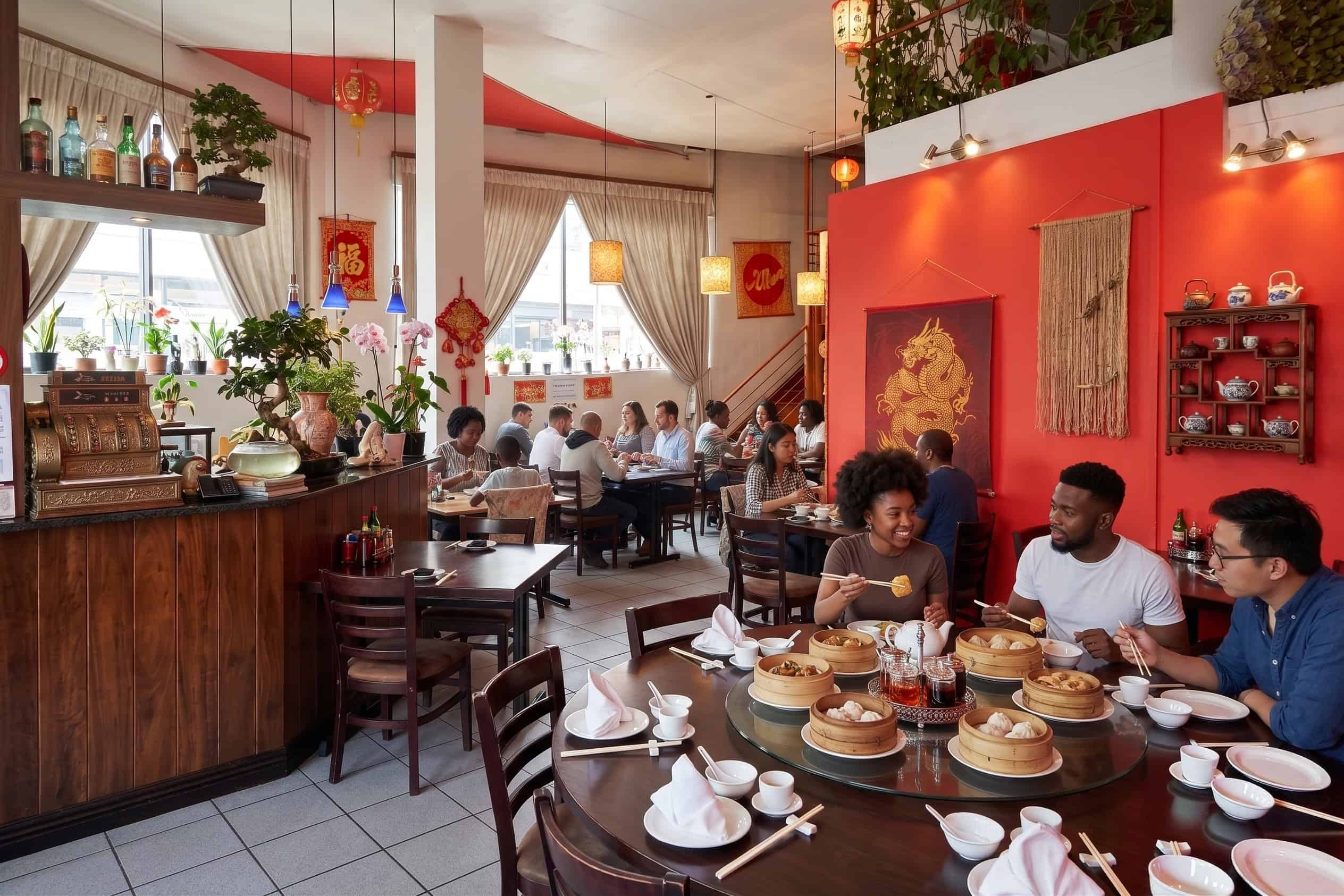
- The Vibe: Casual, bustling, and authentic. Expect to see large Chinese families sharing massive round tables—the ultimate sign of quality.
Key Takeaway: Chef Wang is a mandatory stop for anyone seeking the legitimate, tongue-numbing heat of authentic Sichuan cooking in a no-frills environment.
The Subterranean Secrets of China Town Sourcing
If you really want to dive into the deep end, you have to leave the city bowl and head to the China Town Sable Square or the original China Town in Ottery. For many, these are just places to buy cheap electronics or luggage, but for the hungry traveler, they are home to some of the most honest food stalls in the Western Cape.
Hidden within these malls are small, family-run eateries that don’t even have websites—they rely entirely on foot traffic and reputation. You’ll find stalls dedicated entirely to “Bao” (steamed buns filled with barbecued pork) or shops that do nothing but roasted duck and crispy pork belly. There is zero pretense here. You eat on plastic chairs under fluorescent lights, and you’ll likely have to use a translation app or point at a picture on the wall to order.
I’ve found that the roasted meats at these locations are often superior to what you’ll find in high-end restaurants. The skin on the duck is lacquered to a perfect, glass-like crunch, and the fat beneath is rendered to a melt-in-your-mouth consistency. It’s food that prioritizes flavor over presentation every single time.
- The Hubs: Check out the food court at Sable Square for a variety of quick, authentic bites.
- The Specialist Shops: Look for the small grocers within the complex; they often sell home-made dumplings and frozen treats that you won’t find at a standard supermarket.
- Timing: These spots are at their best during the busy Saturday lunch rush when the turnover is high and the food is at its freshest.
Key Takeaway: The China Town malls in Sable Square and Ottery are the spiritual home of Cape Town’s street-food style Chinese cooking, offering incredible value and raw authenticity.
The Modern Consistency of Mr. Lin
For many Cape Town locals, Mr. Lin has become the gold standard for high-quality, consistent, and slightly more modern Chinese dining. With locations in Sea Point and Observatory, they’ve managed to bridge the gap between the traditional “hole-in-the-wall” and a more accessible, contemporary restaurant.
Mr. Lin is particularly famous for its “Potstickers” and its “Hot Pot.” The hot pot experience is something everyone should try at least once. You’re given a bubbling vat of broth (you can choose your spice level) and a tray of raw ingredients—thinly sliced meats, leafy greens, mushrooms, and noodles—which you cook yourself at the table. It’s a communal, interactive way of eating that makes for a fantastic night out with friends.
The Sea Point branch, in particular, has a great energy. It’s sleek, well-lit, and the menu is clearly laid out with pictures, making it a great “entry-point” for someone who wants to explore authentic Chinese flavors but doesn’t know where to start.
- The Speciality: The Hot Pot is the main event here. It’s social, fun, and allows you to customize your meal entirely.
- The Potstickers: Perfectly pan-fried to give a crispy bottom while maintaining a tender, juicy interior.
- Convenience: They have a very efficient takeaway and delivery system, but the hot pot is an experience that really needs to be had in-house.
Key Takeaway: Mr. Lin is the perfect hybrid of traditional flavors and modern convenience, making it the best spot for an interactive hot pot night.
Reliable Classics at Beijing Orchard
If you find yourself in the Gardens area and want a meal that feels reliable, comforting, and quintessentially “Chinese-American” in its generosity, Beijing Orchard is a solid bet. They’ve been a fixture on the local scene for a while, and they’ve built a loyal following based on their consistent quality and friendly service.
What I like about Beijing Orchard is that they don’t try to reinvent the wheel. They do the classics—Peking Duck, Kung Pao Chicken, and Sizzling Beef—with a level of care that is often missing from smaller takeout joints. The duck, in particular, is handled with respect; it’s carved beautifully and served with the traditional pancakes, spring onions, and hoisin sauce.
The restaurant itself is quiet and traditional, making it a great choice for a family dinner where you actually want to be able to hear each other talk. It’s one of those places that feels like it’s been there forever, and in a city where restaurants open and close every week, that kind of longevity says a lot.
- The Peking Duck: Consistently one of the best versions of this dish in the city bowl.
- The Atmosphere: Quiet, traditional, and welcoming—ideal for a relaxed family outing.
- The Menu: A massive selection of dishes that covers almost every regional style you might be looking for.
Key Takeaway: Beijing Orchard is the city’s reliable anchor for classic, well-executed Chinese favorites in a peaceful and traditional setting.
Navigating the Hidden Menus and Etiquette
If you really want to get the best out of these restaurants, you need to change the way you order. Have you ever noticed that at the most authentic spots, there is often a smaller, separate menu or a chalkboard written entirely in Mandarin? That is usually where the real magic is hidden. Even if you don’t speak the language, don’t be afraid to ask the waiter, “What is the chef’s favorite thing to cook today?” or “What are the people at that table eating?”
Another tip: don’t be afraid of the tea. In many authentic Chinese restaurants, the tea isn’t just a drink; it’s a palate cleanser and a digestive aid. Ordering a pot of jasmine or oolong tea can completely change the way you experience the heavier, oilier dishes.
- The “Secret” Menu: Always ask for recommendations beyond the standard printed menu.
- Sharing is Mandatory: Chinese food is designed to be communal. If everyone orders their own separate “main,” you’re missing the point. Order for the table.
- Chopstick Etiquette: While most places will happily provide a fork, using chopsticks is part of the rhythm of the meal. Just remember: never stick your chopsticks vertically into a bowl of rice—it’s considered bad luck!
Cape Town’s Chinese food scene is a reward for the adventurous. It’s a city that hides its best flavors in corners you wouldn’t expect, but once you find that perfect bowl of hand-pulled noodles or that specific plate of crispy duck, you’ll never look at a mall takeout box the same way again. So, skip the main street, check out a suburban shopping center, and get ready to have your palate completely recalibrated.