There is a raw, magnetic honesty to the South African West Coast. Unlike the manicured, leafy green corridors of Stellenbosch or the historical luxury of Franschhoek, this coastline hits you with a different kind of beauty. It is a landscape defined by scrubby fynbos, crashing Atlantic surf, weathered fishing boats, and vast, open skies.
For generations, the culinary identity here was straightforward: whatever came out of the sea went onto the fire. But over the last decade, a quiet, deeply passionate movement has taken root. A new wave of winemakers, farmers, and chefs have embraced the region’s harsh elements, turning away from industrial farming to focus heavily on biodynamic viticulture, regenerative organic agriculture, and hyper-local foraging.
If you are looking to escape the conventional wine routes and experience a food culture driven entirely by nature, the West Coast offers a thrilling, sun-baked, and salt-crusted journey.
The Swartland: The Epicenter of Natural Wine
To understand West Coast wine, you have to head slightly inland into the Swartland—a sun-drenched region of rolling wheat fields and rugged granite hills that serves as the spiritual home of South Africa’s low-intervention wine revolution. Here, the focus is not on grand estates with manicured lawns; it is on old, un-irrigated bush vines that have to dig deep into the dry earth to survive.
The Pioneers of Org de Rac
A brilliant starting point for anyone exploring organic viticulture is Org de Rac Organic Wine Estate, situated near Piketberg. Long before “organic” became a trendy marketing buzzword on boutique labels, Org de Rac committed entirely to chemical-free farming.
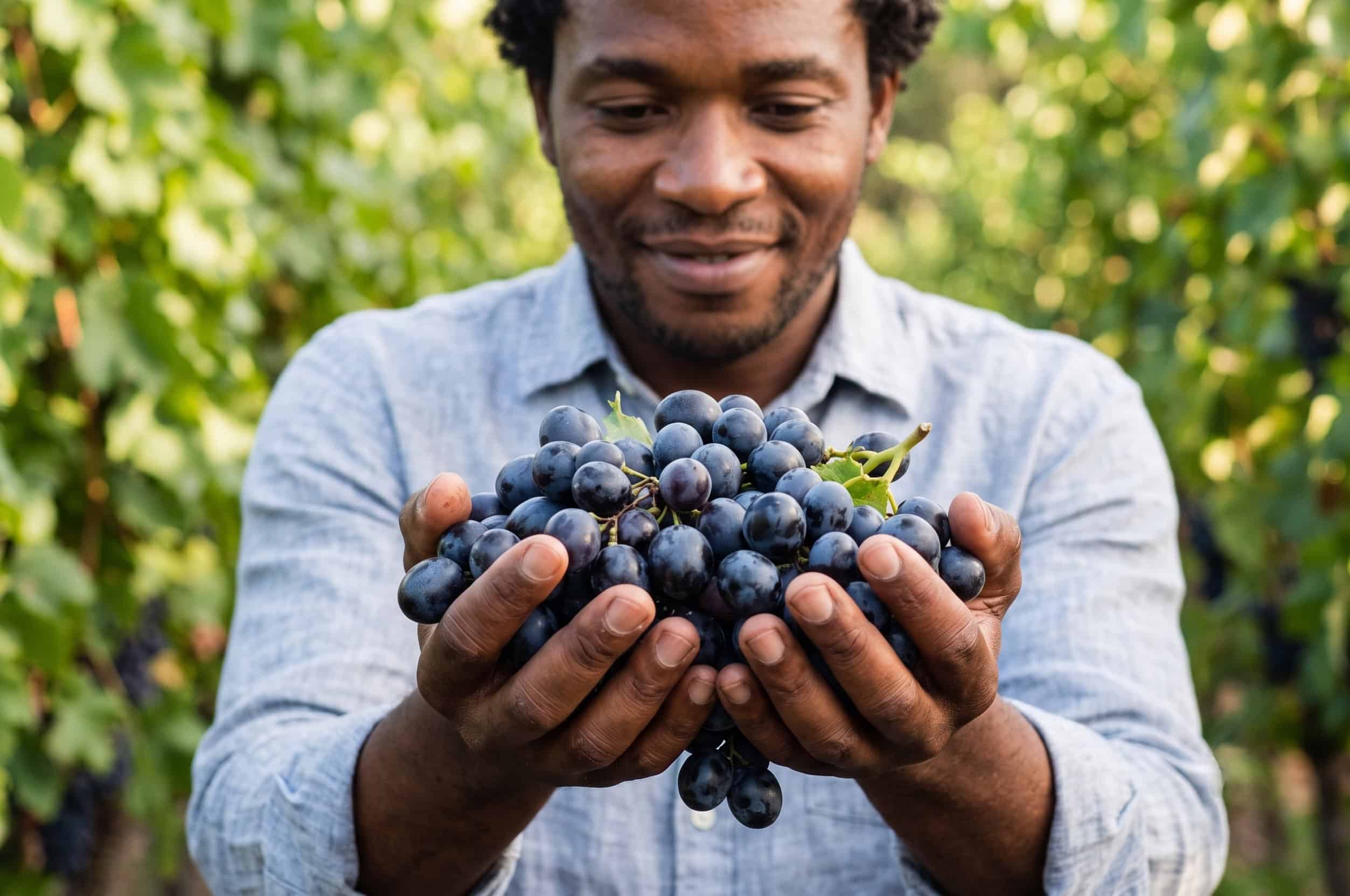
Because they do not use artificial pesticides or synthetic fertilizers, the vineyard functions as its own living ecosystem. They employ a resident flock of ducks to manage pests naturally, and the soil is kept rich and alive using organic compost and cover crops. When you sit down for a tasting here, you are experiencing the pure, unmasked terroir of the West Coast. Their organic Syrah, Cabernet Sauvignon, and surprisingly fresh white blends possess a distinct mineral backbone and a clean purity of fruit that reflects the health of the soil they grow in.
The Low-Intervention Revolution
Further south in the Riebeek Valley, a collective of independent winemakers has taken things a step further by embracing natural and low-intervention winemaking techniques. Estates and independent labels throughout this region champion spontaneous fermentation using wild, indigenous yeasts, skipping heavy filtration and minimizing or completely omitting added sulfur.
The resulting wines are vibrant, unpredictable, and packed with character. These are not mass-produced, predictable wines; they are living bottles that taste distinctly of the sun, the granite rocks, and the coastal winds that sweep through the valley.
Beachfront Foraging and Ocean-to-Table Dining
As you move out of the vineyards and directly onto the coastline, the organic philosophy transitions seamlessly into wild foraging and sustainable seafood sourcing. The cold, nutrient-rich waters of the Benguela Current provide some of the finest seafood in the southern hemisphere, while the shoreline itself is an absolute goldmine of edible indigenous plants.
Strandveld Food and the Art of the Forage
In the historic fishing village of Paternoster, the culinary scene has moved far beyond simple fish and chips. Chefs in the area have become masters of strandveld (beach-scrub) cooking. This involves gathering wild ingredients that grow naturally along the dunes—such as soutslaai (ice plant), dune spinach, wild rosemary, and sea pumpkin—and pairing them with the daily catch brought in by local artisanal fishermen.
For an unforgettable coastal walking and foraging experience, the paths snaking through the Cape Columbine Nature Reserve offer some of the most pristine coastal fynbos in the country. You can follow the trails right along the rocky coastline to see these resilient edible plants growing wild against the sea spray. To plan your coastal walk, you can find the route using the Cape Columbine Nature Reserve Directions.
Wolfgat: World-Class Sustainable Dining
You cannot discuss organic, wild coastal dining without mentioning Wolfgat in Paternoster. Housed in a 130-year-old beach cottage overlooking the ocean, Chef Kobus van der Merwe’s globally acclaimed restaurant takes hyper-local sourcing to its absolute extreme. With a maximum of just 20 diners per sitting, the multi-course tasting menu is entirely inspired by the immediate landscape.
Almost every ingredient on the plate is either sustainably harvested from the ocean or hand-foraged from the surrounding dunes that morning. The menu changes constantly depending on the weather, the tide, and the seasons. You might find yourself eating ocean-fresh limpets cooked in wild garlic butter, local mussels paired with dune succulents, or house-made sourdough bread served with bokkom (dried malthash) butter. It is a profoundly moving, educational dining experience that honors the delicate balance of the West Coast ecosystem.
Sustainable Farm Shops and Country Markets
The organic movement along the West Coast is kept alive by a tightly knit network of small-scale farmers, artisanal bakers, and passionate food producers. If you are road-tripping along the R27 or through the inland valleys, there are several essential stops to stock up on genuine, clean country produce.
The West Coast Farm Stall
Located near the intersection of the R27 and the Yzerfontein turnoff, the West Coast Farm Stall is a beloved institution. While it retains the rustic, chaotic charm of a traditional roadside stop, it has increasingly become a showcase for regional organic products.
Here, you can pick up jars of raw, unpasteurized fynbos honey, artisanal preserves made from wild figs, stone-ground flour breads baked in wood-fired ovens, and organic farm cheeses. It is the perfect place to assemble a spontaneous, high-quality picnic before heading into the nearby West Coast National Park.
Darling Organic and Regenerative Farms
Slightly inland from the coast lies the historic town of Darling, famous for its wild spring flowers and a growing community of regenerative livestock farmers. Producers in this area focus on pasture-raised cattle, free-range chickens, and grass-fed sheep that graze on natural veld rather than grain feed. This commitment to holistic management practices ensures the topsoil is preserved, biodiversity thrives, and the meat produced is incredibly flavorful, lean, and entirely free of growth hormones and routine antibiotics.
How to Plan Your Organic West Coast Road Trip
To get the absolute most out of an organic food and wine journey along the West Coast, a little bit of strategic planning goes a long way.
- Embrace the Slow Pace: The West Coast does not move at the speed of the city. Kitchens that forage daily or rely on small-scale harvests operate on nature’s clock. Don’t rush your meals; budget a full afternoon for a true coastal lunch.
- Book Your Tables Well Ahead: Because venues like Wolfgat operate with highly limited seating to ensure sustainability and minimize waste, getting a table requires booking months in advance.
- Bring a Cooler Box: You will inevitably encounter roadside stalls, organic farm gates, and independent wineries selling incredible products that you can’t find in major supermarkets. Having a cold cooler box in the back of your car is a lifesaver for transporting artisanal cheeses, fresh seafood, and natural wines.
- Respect the Rules of Foraging: If you are inspired to forage for wild dune spinach or coastal succulents yourself, make sure you are doing so legally and sustainably. Never forage inside protected marine reserves without the proper permits, and never pull up plants by the roots—only harvest what you need, leaving the rest to regenerate.
The West Coast rewards those who are willing to slow down, look past the rugged exterior, and eat according to the dictates of the soil and the sea. It is an unforgettable, completely unpretentious destination for anyone who truly cares about where their food and wine comes from.