If you find yourself standing on the corner of Wale Street and Rose Street in the Bo-Kaap as the sun starts to dip toward Signal Hill, your senses are going to undergo a very specific kind of transformation. The first thing you’ll notice isn’t actually the neon-pink or lime-green houses—it’s the air. It’s thick, warm, and carries the heavy, aromatic scent of toasted cumin, star anise, and frying onions.
In Cape Town, we often talk about our “melting pot” culture, but in the Bo-Kaap, that isn’t a metaphor. It’s literal. The Cape Malay community, whose ancestors were brought here in the 17th and 18th centuries from the Dutch East Indies, Malaysia, and Madagascar, didn’t just bring their resilience; they brought a spice palette that forever changed the South African tongue.
The local tourism scene has shifted. We’re moving away from the “look-but-don’t-touch” bus tours and toward something far more intimate. People want to get their hands dirty—literally. If you’re looking to understand the Mother City, skip the souvenir shops and book a spot in a kitchen. Here is why a Cape Malay cooking class is the single best way to spend an afternoon in the city right now.
The Legends: Finding the Right Kitchen
There are several iconic women (and a few men) who have opened their homes to the public. These aren’t clinical, industrial kitchen spaces; these are “kombuise” (kitchens) where families have lived for generations.
1. The Bo-Kaap Cooking Tour with Zainie Misbach
Zainie is widely considered the matriarch of Bo-Kaap culinary tourism. Her family has lived in the area for over a century, and her classes at the Bo-Kaap Cooking Tour are as much about history as they are about food.
- The Experience: You usually start with a walk to the local spice shop to learn about “masala” (the heart of any Malay dish). Then, it’s back to her home to master the art of the perfect fold.
- The Vibe: Educational, traditional, and deeply rooted in the community. You’ll leave feeling like you’ve been let in on a century-old secret.
2. Gamidah Jacobs and Lekka Kombuis
If you want high energy and big laughs, Lekka Kombuis is where you head. Gamidah is a whirlwind of charisma.
- The Experience: Her classes are famously hands-on. She doesn’t just show you how to do it; she stands over you until your roti is thin enough to see through and your chili bites are perfectly crisp.
- Key Takeaway: Her focus is on “intuitive cooking.” She’ll teach you to smell when the spices are “done,” rather than just looking at a timer.
3. Faeeza’s Home Kitchen
Tucked away in a beautiful garden setting, Faeeza’s Home Kitchen offers a slightly more tranquil experience. It’s a great spot for those who want to combine a cooking class with a really exceptional tea service.
- The Order: Don’t leave without trying her koesisters (the spicy, coconut-covered ones—more on that later).
The Masterclass: Folding, Frying, and Fluffing
Most people arrive at these classes thinking they’re just going to make a curry. They are wrong. A proper Cape Malay session is a multi-course marathon.
The Art of the Samosa Fold
It looks so easy when you see them in a glass display case at a corner café, doesn’t it? Wrong. Folding a samosa into a perfect, leak-proof triangle using thin pastry (pur) is a dexterity test that has humbled many a professional chef. In these classes, you’ll spend a good thirty minutes practicing the “pocket” technique.
- Pro Tip: Don’t overfill. The temptation is to jam as much spicy mince or potato in there as possible, but that’s a one-way ticket to a burst samosa in the frying pan.
The Roti: A Labor of Love
If the samosa is the appetizer, the roti is the star. Unlike the Indian paratha or the standard flatbread, the Cape Malay roti is all about the “flake.” This involves smearing the dough with butter, rolling it into a long “snake,” curling it into a “S” shape, and then—the most important part—smacking the cooked bread between your hands to fluff up the layers.
- The Sound: You’ll hear a rhythmic clap-clap-clap echoing through the Bo-Kaap streets around lunch hour. That’s the sound of rotis being “scrunched.”
The Dhaltjie (Chili Bite)
These are the ultimate Cape Town snacks. Made from pea flour, spinach, onions, and a heavy hand of turmeric and chili, they are dropped into hot oil to form craggy, golden nuggets of joy.
- February 2026 Update: Many local aunties are now experimenting with “lighter” versions using air fryers, but for the authentic class experience, we’re sticking to the deep fry. Trust me, it’s worth the calories.
The Science of the Spice: Why Cape Malay is Unique
Have you ever wondered why a Cape Malay curry tastes different from a Durban curry or a traditional Indian korma? The secret lies in the balance between sweet and savory.
Cape Malay food uses the “Trinity of the Cape”: Cinnamon, Cardamom, and Ginger. While there is heat from the chili, it’s often tempered by the use of dried apricots or sugar. It’s a flavor profile that reflects the “Spice Islands” heritage—warm, comforting, and incredibly aromatic.
The “Mother” Masala
In your class, you’ll likely learn how to blend your own masala. This isn’t just a generic powder from a supermarket box. It’s a specific ratio of:
- Roasted Coriander seeds (for earthiness)
- Turmeric (for that iconic golden glow)
- Cumin (for depth)
- Fennel (for a hint of sweetness)
Key Takeaway: Cape Malay cooking is one of the few global cuisines that perfectly balances the heat of the East with the fruit-forward sweetness favored by the early Dutch settlers.
The Great Debate: Koesisters vs. Koeksisters
If you want to sound like a local, you need to get this right. It is the most common mistake visitors make.
- The Koeksister (with a ‘k’): This is an Afrikaner delicacy. It’s braided, deep-fried, and dropped while hot into ice-cold sugar syrup. It is crunchy, sticky, and incredibly sweet.
- The Koesister (no ‘k’): This is the Cape Malay version. It’s a spicy, doughy ball (think a donut’s sophisticated cousin) flavored with ginger, tangerine peel, and cinnamon. It’s boiled in syrup and then rolled in desiccated coconut.
In a Bo-Kaap cooking class, you are making the Koesister. It is traditionally served on Sunday mornings, but we’ve decided that they are far too good to only eat once a week.
Exploring the Neighborhood Post-Class
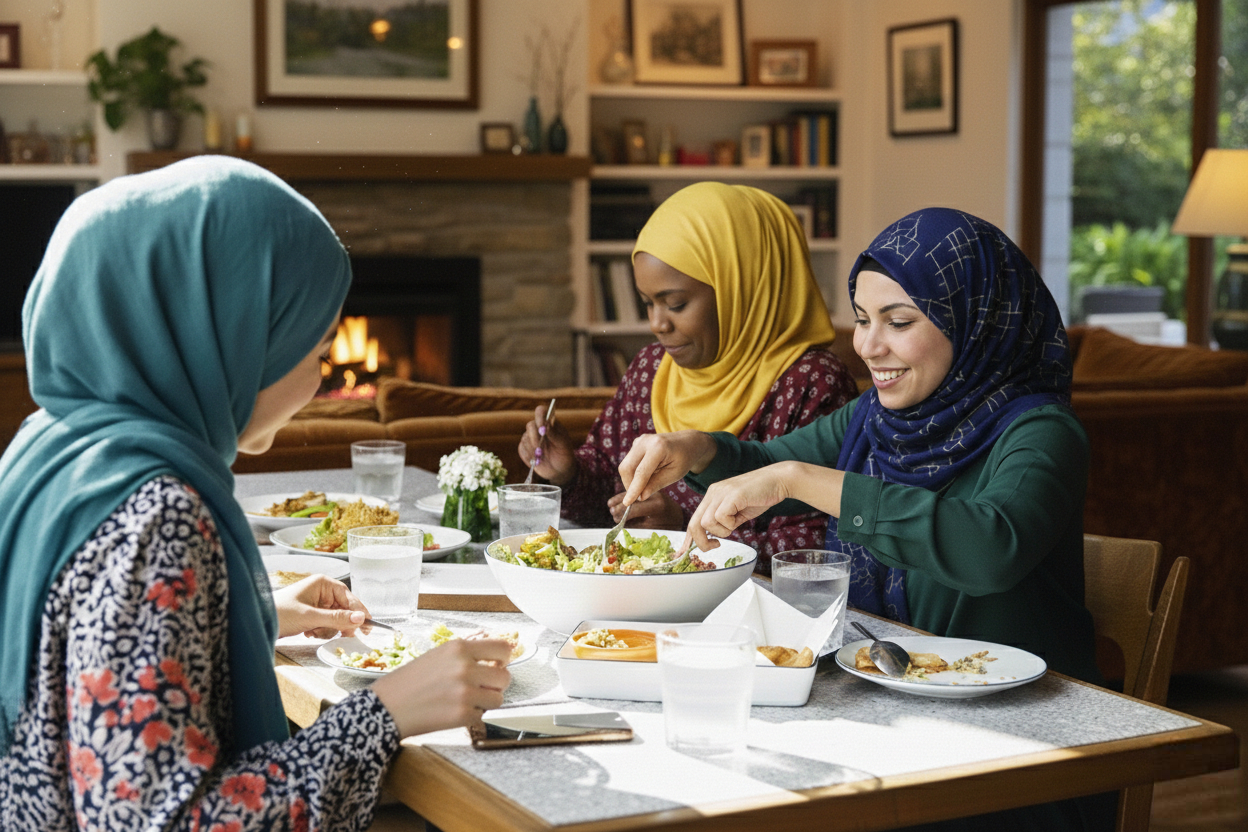
Once you’ve stuffed yourself silly with the food you’ve prepared (most classes end with a communal sit-down lunch), you’ll need to walk it off. The Bo-Kaap is more than just a backdrop for your Instagram photos; it’s a living museum.
- The Bo-Kaap Museum: Located on Wale Street, the Bo-Kaap Museum is housed in the oldest original building in the area. It gives a poignant look at the history of the people who built this neighborhood.
- The Auwal Mosque: Just down the road is the Auwal Mosque, the first mosque established in South Africa (1794). It’s a beautiful, understated building that represents the religious heart of the community.
- Atlas Trading Company: If you want to take the flavors home, you have to go to Atlas Trading Company. It’s a sensory overload of burlap sacks filled with every spice imaginable. The queue is often long, but the smell alone is worth the wait.
Practical Tips for Your Booking
- Book Early: Because these classes take place in private homes, capacities are small (usually 6-10 people). In the peak of February, they sell out weeks in advance.
- Dress Respectfully: While the Bo-Kaap is welcoming and vibrant, it is a conservative Muslim neighborhood. Wearing clothes that cover your shoulders and knees is appreciated when walking through the streets and entering homes.
- Dietary Requirements: Most Cape Malay food is naturally Halal. If you are vegetarian or vegan, let the hosts know ahead of time—they are incredibly accommodating and can easily swap mince for lentils or beans without losing any of the flavor.
Why This Matters
There’s a lot of talk about “authentic travel” these days, but it’s often hard to find. A cooking class in the Bo-Kaap is one of the few experiences that hasn’t been “sanitized” for tourists. You are sitting at a family table, listening to stories about grandmothers who folded samosas during the dark years of Apartheid, and learning a craft that was passed down through oral tradition because it was once all the community had to hold onto.
When you take that first bite of a roti you rolled yourself, while looking out the window at the brightly painted houses and the shadow of the mountain, you aren’t just a tourist anymore. You’re part of the story.