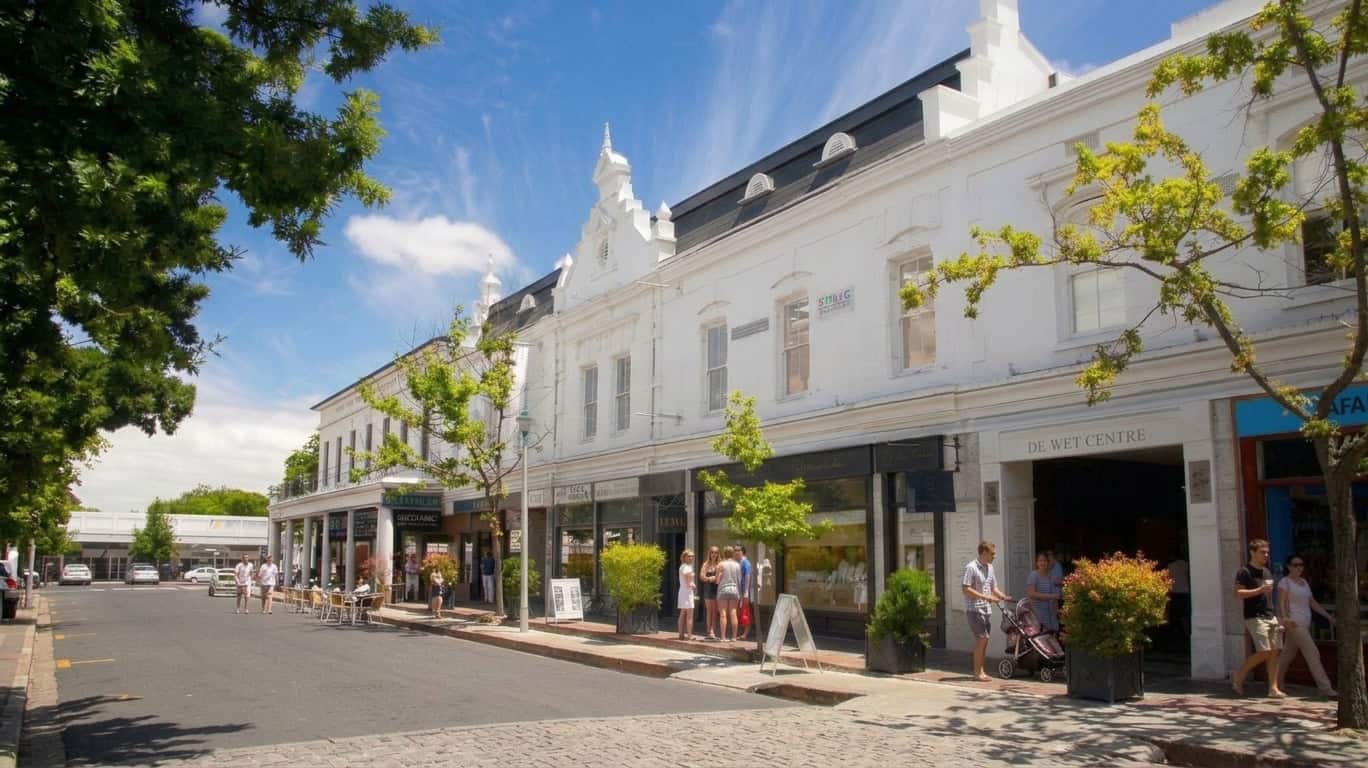
I’ve always maintained that the best way to truly know a place is to wear out a bit of shoe leather on its pavements. In a town like Stellenbosch, this isn’t just a suggestion—it’s practically a requirement. While most visitors roar through the gates of high-end wine estates in their SUVs, they often miss the most enchanting part of the Eerste River Valley: the town itself.
There is a specific rhythm to Stellenbosch. It’s a rhythmic clicking of bicycle tires on paved streets, the low hum of student chatter from a nearby sidewalk café, and the ancient sound of water rushing through the “leivoore”—the open water furrows that have lined these streets for centuries. Walking through the village doesn’t feel like a standard tourist activity; it feels like navigating a living, breathing museum where the Cape Dutch gables aren’t just for show, but are part of a bustling, modern university town.
If you’re ready to slow down and see the detail in the woodwork, here is how I recommend you tackle the iconic Stellenbosch Village Walk.
Starting Where Time Stands Still on Dorp Street
If you only have time for one street in South Africa, let it be Dorp Street. It is widely considered one of the longest rows of historic buildings in the country, and walking it feels like a chronological journey through architectural styles. I like to start at the lower end and work my way up toward the center of town.
As you walk, look up. You’ll see a chaotic yet beautiful mix of Cape Dutch, Georgian, and Victorian architecture. The white-washed walls and ornate gables aren’t just pretty; they tell the story of a town that has survived fires, wars, and the relentless march of time.
- Oom Samie se Winkel: You can’t miss this place. It’s a Victorian-era general dealer that looks exactly as it did a hundred years ago. Even if you don’t buy anything, the scent of dried fish, tobacco, and spices that hits you at the door is worth the visit.
- The Oak Trees: The town is known as “Eikestad” (City of Oaks) for a reason. These massive trees were originally planted to provide timber for the Dutch East India Company, but they failed that purpose. Fortunately for us, they succeeded in creating the most shaded, atmospheric walkways in the Cape.
- The Leivoore: Watch your step! These open water channels are a signature feature of the town. In the old days, they provided water for gardens and firefighting. Today, they provide a soothing soundtrack to your walk.
Key Takeaway: Dorp Street is a National Monument in its own right. Take your time here to appreciate the intricate gables and the sheer age of the oak canopy.
Finding the Town Heart at The Braak
From Dorp Street, it’s a short skip over to The Braak. This is the town’s central square, a wide-open green space that has served as a parade ground, a marketplace, and a festival site since the late 17th century.
Standing in the middle of The Braak, you can spin 360 degrees and see the evolution of the town. To one side sits the VOC Kruithuis (Powder House), a sturdy little building that once stored the town’s ammunition. On the other, the stark white, neo-Gothic St. Mary’s on the Braak church stands as a silent sentinel.
- The Village Museum: Just a block away from the square, this is perhaps the best historical attraction in the village. It isn’t just one building, but four restored houses ranging from 1709 to 1850. Each house is decorated in the style of its era, right down to the plants in the garden.
- People Watching: The Braak is where the “real” Stellenbosch happens. You’ll see students lounging between lectures and locals catching up on benches. It’s the perfect spot to sit for five minutes and just soak in the atmosphere.
Navigating the Creative Pulse of Church Street
Once you’ve had your fill of history, it’s time to head into Church Street (Kerkstraat). If Dorp Street is the soul of the village, Church Street is the heart. This is where the town’s creative and culinary energy is concentrated. It is a pedestrian-friendly stretch packed with art galleries, boutique shops, and some of the best coffee spots in the Western Cape.
I find that Church Street is best enjoyed with zero agenda. Duck into a gallery, browse the local jewelry, or just follow the scent of fresh baking.
- Schoon: This is a mandatory stop for anyone who appreciates the craft of bread. Their pastries are legendary, and sitting at one of their sidewalk tables is the quintessential Stellenbosch experience.
- De Warenmarkt: Located in a building dating back to the 18th century, this is a communal food space that celebrates the best of local produce. Whether you want specialty coffee or a taste of local cheese, this is the hub.
- Brampton Wine Studio: For a more casual wine experience, this spot is perfect. You can sit on the sidewalk, write on the chalkboard tables, and enjoy a glass of something cold while the world walks by.
Key Takeaway: Church Street is the town’s social hub. It’s the best place to find high-quality local art and artisanal food without the formality of a wine estate.
A Botanical Escape at the University Edge
As you move further toward the university side of town, the energy shifts. The historical weight is still there, but it’s lightened by the presence of thousands of students. One of the hidden gems along this route is the Stellenbosch University Botanical Garden.
It is the oldest university botanical garden in South Africa, and while it isn’t massive in size, it is incredibly dense with rare and beautiful plants. It’s a quiet sanctuary in the middle of the town.
- The Greenhouses: They house a fascinating collection of succulents and exotic plants.
- The Katjiepiering Restaurant: Tucked inside the garden, it’s a peaceful spot for a light lunch under the trees.
- The Giant Water Lilies: If you’re lucky enough to visit when they are in bloom, they are a spectacular sight.
Walking the Banks of the Eerste River
If the streets start feeling a bit too busy, I always suggest heading toward the water. The Eerste River winds its way through the town, and there are beautiful paths that run alongside it.
This part of the walk is much more about nature. You’ll find runners, dog walkers, and the occasional student reading under a tree. It’s a reminder that Stellenbosch is, at its core, a mountain town. The river path connects the more urban parts of the village to the wilder edges of the valley.
- Jan Marais Nature Reserve: If you have the energy to head slightly further out of the immediate center, this reserve is a beautiful spot for a walk among the fynbos. It’s a great place to see the indigenous flora that once covered the entire valley before the vineyards took over.
Essential Tips for Your Village Walk
Walking Stellenbosch is a delight, but it pays to be prepared for the specific quirks of the town.
- Footwear Matters: Those historic cobblestones and uneven pavements are not friendly to heels. Wear comfortable walking shoes or sneakers. You’ll be doing more steps than you realize.
- Timing is Everything: During the university term, the town is vibrant and buzzing. During holidays, it becomes much quieter and more peaceful. Both have their charms, but if you want to avoid crowds, try to walk on a weekday morning.
- Parking: Finding a spot in the center of town can be a nightmare. I suggest parking slightly further out—perhaps near the Stellenbosch University Museum—and walking in.
- Stay Hydrated: The Cape sun can be relentless, even in the shade of the oaks. Carry a water bottle, but remember there are plenty of cafes along the way to refuel.
- Check the Hours: While the streets are always open, many of the smaller galleries and the Village Museum have specific operating hours. Always check the official websites for the most current information before you plan your day.
Why the Village Walk Still Matters
In a world of “fast travel” and Instagrammable checklists, the Stellenbosch Village Walk is an invitation to do the opposite. It’s an invitation to notice the way the light hits a 200-year-old window pane, to hear the story of a town told through its water channels, and to feel the contrast between the old-world academia and the modern creative spirit.
Stellenbosch is more than just a gateway to the Winelands. It is a place of deep layers, where every corner turned reveals a new piece of the South African puzzle. By choosing to walk, you aren’t just seeing the town; you’re becoming a small part of its ongoing story.