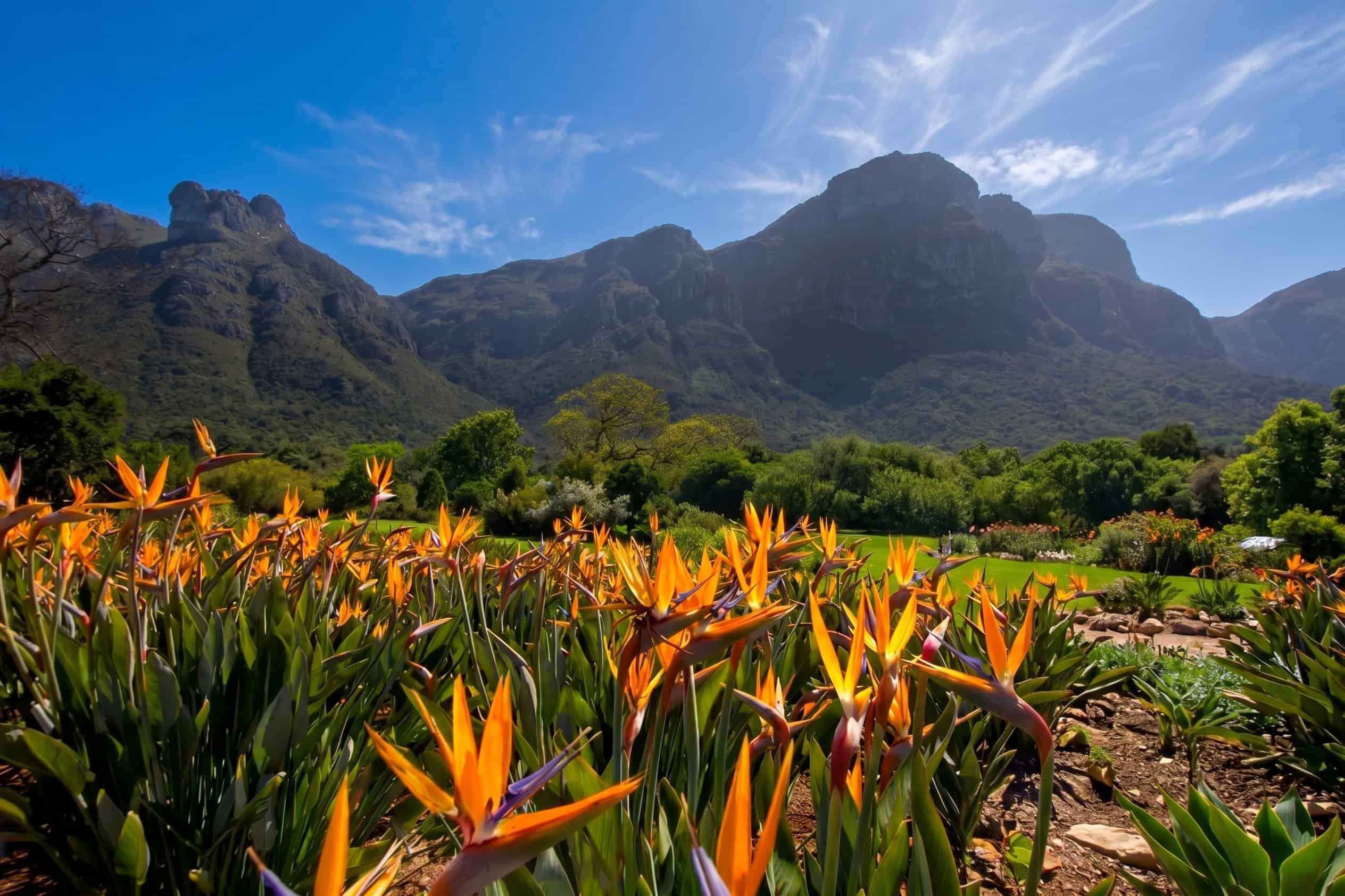
There is a very specific kind of silence that descends on you when you walk into Kirstenbosch National Botanical Garden. It isn’t the silence of an empty room, but rather the muffled, breathing quiet of a forest nestled against the granite buttresses of Table Mountain. Most people come here for the flowers—the Proteas that look like they were designed by a high-fashion house or the ancient Cycads that seem to be waiting for a dinosaur to walk past. But if you veer slightly off the main paths and let your curiosity lead you toward the shaded groves and open lawns, you’ll find a different kind of life altogether.
The Kirstenbosch Sculpture Garden is one of those rare places where human creativity doesn’t feel like an intrusion on the natural world. Instead, it feels like a conversation. Have you ever stood in front of a piece of cold stone that somehow feels like it’s vibrating with emotion? That is the magic of the Shona stone sculptures scattered throughout the estate. They emerge from the ferns and the fynbos as if they’ve been there for centuries, blurred by the shadows of the forest and weathered by the mountain mists.
Whether you’re an art aficionado or someone who just enjoys a beautiful stroll, the sculpture garden offers a layer of depth to the Kirstenbosch experience that many visitors accidentally skip. It’s a place where the history of African storytelling is carved into stone, and it demands that you slow down your pace to match the rhythm of the mountain.
The Soul of Shona Stone Sculpture
The permanent centerpiece of the sculpture garden is the collection of Mambo Shona sculptures. Originating primarily from Zimbabwe, this art form is globally recognized for its ability to breathe life into hard serpentine stone. These aren’t just statues; they are narratives. The artists believe that every stone has a spirit already residing within it, and their job is simply to release it.
As you wander through the dedicated sculpture section near the Visitors’ Centre, you’ll see figures that represent family, ancestral spirits, and the complex relationship between humans and animals. I’ve always found it fascinating how the polished, smooth surfaces of the figures contrast with the raw, untouched parts of the original rock. It’s a physical reminder of the transition from nature to art.
The exhibition is dynamic, often featuring rotating pieces from some of Zimbabwe’s most famous living artists as well as emerging talents. Because the garden works directly with the Mambo Sculpture organization, you are seeing world-class contemporary African art in its intended environment—under the open sky, surrounded by the very elements that inspired the work.
- Look for the Texture: Run your hands (gently!) over the stones. You’ll notice how the “Springstone” or “Opal Stone” feels different depending on how it’s been treated.
- The Hidden Details: Many of the sculptures are tucked into small clearings. It’s worth stepping off the paved path to see how the light filters through the leaves onto the stone.
- A Living Gallery: Unlike a museum, these pieces change with the weather. A rain-slicked sculpture in winter looks entirely different from a sun-drenched one in mid-summer.
Key Takeaway: The Shona sculptures at Kirstenbosch are more than decorations; they are a vital expression of African spiritual heritage and contemporary artistic mastery.
Finding the Residents of the Camphor Avenue
Once you’ve explored the concentrated gallery near the entrance, head deeper into the gardens toward the famous Camphor Avenue. This is one of the oldest parts of the garden, planted by Cecil John Rhodes, and it has a much darker, more “enchanted forest” feel.
Hidden among these massive trees and the thickets of forest floor are some of the most iconic permanent sculptures in the park. You might stumble upon a bronze bust or a more abstract form peering out from the undergrowth. One of my personal favorites is the “extinct” animals collection. Seeing life-sized bronze depictions of creatures like the Quagga or the Cape Lion scattered through the garden is a haunting reminder of what we’ve lost.
There is a certain thrill in “discovering” these pieces. Because they aren’t all lined up on pedestals, you have to be observant. It turns a standard walk into a bit of a scavenger hunt. I’ve seen kids spend an hour searching for the various bronze birds and mammals hidden in the thickets near the Enchanted Forest.
The Boomslang and the Architecture of Nature
While not a “sculpture” in the traditional sense of a statue, you cannot talk about art at Kirstenbosch without mentioning the Centenary Tree Canopy Walkway, affectionately known as “The Boomslang” (tree snake).
This steel and timber bridge snakes its way through and over the trees, rising 12 meters above the ground at its highest point. From a design perspective, it is a sculptural masterpiece. The way the weathered steel ribs mimic the skeleton of a giant snake is both terrifying and beautiful. Walking along it gives you a perspective of the garden that was previously reserved only for the birds and the Cape Genets.
If you stand at the midpoint of the Boomslang and look back toward Table Mountain, you can see how the walkway bridges the gap between the formal gardens below and the wild, unkempt forest above. It is a piece of functional art that emphasizes the scale of the landscape. It’s also arguably the best place in the city to watch the light turn gold over the Southern Suburbs as the sun dips behind the mountain.
Key Takeaway: The Boomslang walkway is a landmark piece of structural art that offers an unparalleled aerial view of the garden’s botanical and sculptural diversity.
Rotating Exhibitions and Modern Installations
Kirstenbosch is frequently the site of temporary, large-scale outdoor exhibitions that bring a modern, often provocative edge to the garden. In recent years, we’ve seen everything from giant “augmented reality” installations to massive steel structures that comment on climate change and biodiversity.
These temporary shows mean that no two visits to the garden are ever quite the same. One month you might be walking past delicate glass forms, and the next, you’re dwarfed by a towering wooden structure. These installations often use the mountain itself as a backdrop, creating a scale that no indoor gallery could ever hope to achieve.
To see what’s currently on display, it’s always a good idea to check the SANBI official website or the notice boards at the Kirstenbosch Tea Room and the Moyo Restaurant. Even the restaurants have their own sculptural elements that tie back into the garden’s theme.
- The Dylan Lewis Connection: Keep an eye out for work by world-renowned South African sculptor Dylan Lewis. While he has his own dedicated sculpture garden in Stellenbosch, his powerful, animal-human hybrid bronzes frequently make appearances here.
- Public Participation: Some modern installations are designed to be walked through or sat upon, breaking the traditional “don’t touch” rule of the art world.
- Art for Sale: Many of the smaller Shona sculptures in the dedicated gallery area are actually for sale, with the proceeds supporting both the artists and the garden’s conservation efforts.
Practical Tips for Your Art Walk
If you’re planning to spend an afternoon dedicated to the sculptures, there are a few logistical bits to keep in mind to make the experience seamless.
First off, the garden is massive. If you want to see the majority of the sculptures, you’re going to be doing a lot of walking on varied terrain. While the main paths are paved, many of the best sculptures are located on grass or gravel tracks. Wear comfortable shoes—this isn’t the place for your fancy Sunday best if you plan on exploring the forest edges.
Second, the weather at Kirstenbosch is notorious for being about five degrees colder and significantly wetter than the rest of Cape Town. The mountain generates its own microclimate. I’ve seen people soaking wet in a sudden mist while the sun is shining in the CBD just 15 minutes away. Bring a light jacket, even if it looks like a clear day.
- The Map: Grab a map at the ticket office. It clearly marks the “Sculpture Garden” area, but remember that many of the bronze pieces are scattered elsewhere.
- Picnics: You are welcome to bring a picnic and find a spot near your favorite sculpture. Just be a decent human and take your trash with you—the Guinea Fowls will thank you.
- Accessibility: Most of the Shona sculpture gallery is wheelchair accessible, though some of the “hidden” forest pieces might require a bit more effort to reach.
- Official Info: For current entry times and to check if any specific sections are closed for maintenance, always check the official Kirstenbosch website.
Key Takeaway: Preparation is essential; the mountain’s microclimate and the garden’s vast size mean that comfortable gear and a quick check of the official site are your best friends.
Why Art Matters in a Botanical Garden
It’s easy to think of a botanical garden as just a collection of plants, but Kirstenbosch has always been about more than that. It is a space for reflection and education. The sculptures act as an emotional bridge. While the plants speak to our scientific curiosity and our need for oxygen, the art speaks to our history and our imagination.
There is something deeply satisfying about seeing a sculpture of a mother and child carved from stone that is millions of years old, sitting beneath a tree that has stood for a century, all in the shadow of a mountain that has been there since the dawn of time. it puts things in perspective.
Next time you head to Kirstenbosch, don’t just rush to the Boomslang for the Instagram photo. Take a slow walk through the sculpture garden. Look at the stones. Think about the hands that carved them and the stories they are trying to tell. It turns a simple walk in the park into a profound encounter with the heart of African creativity.