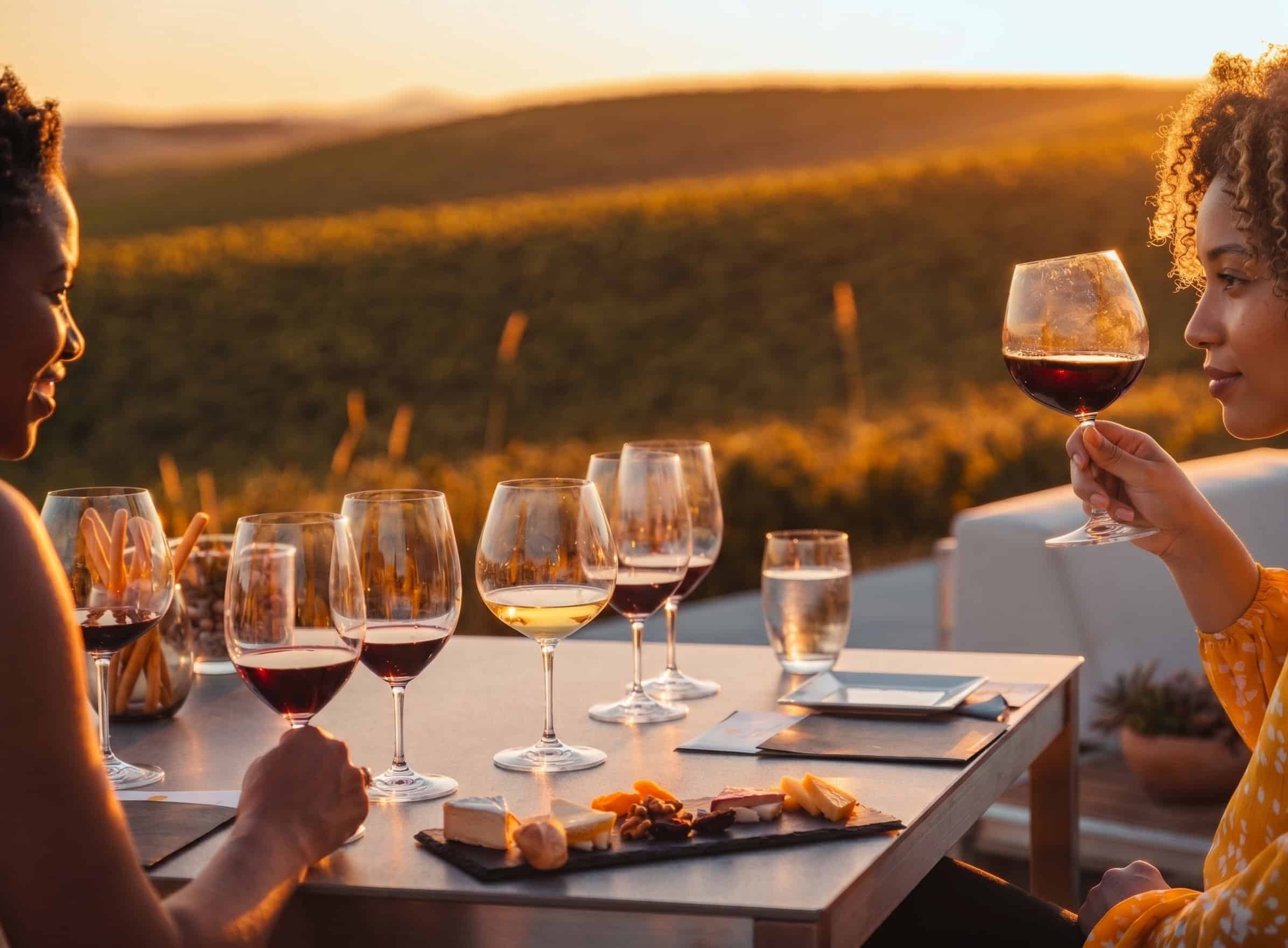
When French Huguenot refugees arrived in a rugged, mountainous valley just outside Cape Town in the late 17th century, they named their new home Eleonorapad—which later became Franschhoek, or “French Corner.” They brought with them deep roots in viticulture, a profound respect for the land, and a distinct winemaking philosophy. Today, that heritage has evolved into one of the world’s most glamorous, breathtaking, and taste-driven wine routes.
Flanked by the towering Wemmershoek and Groot Drakenstein mountains, the Franschhoek Valley possesses a highly specific microclimate. Heavy winter rainfall, hot summer days, and cool evening winds trapping moisture in the valley floor create a paradise for noble cultivars. While the valley is internationally famous for its exceptional food scene, it is the wine inside the glass that remains the true heartbeat of the region.
From iconic, pioneering estates with centuries of history to intimate boutique cellars hiding down gravel tracks, here is how to navigate the ultimate Franschhoek wine experience.
The Signature Styles: What to Drink in the Valley
Before stepping foot inside a tasting room, it helps to understand what makes Franschhoek’s soil so unique. The valley floor consists mainly of sandy alluvial soils, while the mountain slopes feature decomposed granite and sandstone. This structural variety allows winemakers to excel across widely different styles.
Méthode Cap Classique (MCC)
Franschhoek is the undisputed spiritual home of South Africa’s premium bottle-fermented sparkling wine, known locally as Méthode Cap Classique. Crafted using the traditional Champagne method, the valley’s cool-climate Chardonnay and Pinot Noir grapes are transformed into exceptionally elegant, complex sparkling wines that rival the finest European houses.
Exceptional Semillon and Chardonnay
Historically, Franschhoek was famous for its Semillon, and the valley still boasts some of the oldest active Semillon vineyards in the country, dating back to 1902. These heritage old-vine bottles are rich, waxy, and beautifully textured. The valley’s Chardonnays are equally impressive, balancing bright citrus acidity with complex, buttery oak integration.
Bold, Elegant Reds
On the warmer mountain slopes, Cabernet Sauvignon and Syrah thrive. Franschhoek reds lean toward a classic Old World elegance—think smooth, structural tannins, deep black fruit profiles, and an unmistakable line of white pepper and graphite minerality.
5 Essential Wine Estates Every Traveler Must Visit
With dozens of world-class cellars packed into a single valley, choosing where to taste can feel overwhelming. These five properties showcase the absolute best of Franschhoek’s rich diversity, heritage, and style.
1. Haute Cabrière: The Capital of Bubbles
Perched high on the slopes of the Franschhoek Pass, Haute Cabrière offers an iconic view of the entire valley laid out like a green patchwork quilt below. Founded with a deep passion for the classic champagne varietals, this family-run estate is an absolute mandatory first stop for anyone who loves sparkling wine.
The main tasting room is built entirely underground into the side of the mountain, surrounded by massive maturation cellars. Here, you can sample their legendary Pierre Jourdan Cap Classique range. If you are lucky enough to visit during a live cellar demonstration, you might even witness their famous sabrage tradition, where a bottle of bubbly is dramatically opened using a cavalry sword. It is a celebratory, beautifully theatrical start to any wine tour.
2. La Motte: Art, Heritage, and Serious Syrah
Situated right on the main valley road, La Motte Wine Estate seamlessly blends premium winemaking with high culture. The estate is a masterpiece of Cape Dutch architectural preservation, featuring historic buildings, beautiful rose gardens, and an on-site museum dedicated to the work of legendary South African landscape artist Jacob Hendrik Pierneef.
The tasting experience here is deeply professional and educational. La Motte is highly renowned for its elegant, cool-climate Syrah and its structured Cabernet-led blends. For an elevated afternoon, pairs your tasting flight with artisanal breads baked fresh on-site, or take a slow stroll along their private vineyard hiking trail. For nature lovers wanting to explore the mountain terrain, you can find your way to the starting point using the La Motte Vineyard Trail Directions.
3. Chamonix: Cool-Climate Elegance in the Forest
If you want to escape the busier commercial tracks on the valley floor, head up into the steep, forested hillsides behind the town center to find Chamonix Wine Farm. Set against a high-altitude mountain backdrop, Chamonix benefits from noticeably cooler temperatures, allowing them to produce some of the most refined, Burgundian-style wines in the country.
The rustic tasting room is tucked beneath a thick canopy of trees, giving it a peaceful, secluded hunting-lodge feel. Chamonix’s un-oaked and lightly oaked Chardonnays are crisp and mineral-driven, while their award-winning Pinot Noir offers a delicate, silky texture that perfectly captures the essence of cool-climate mountain viticulture.
4. Grande Provence: Modern Luxury and Sculpture Gardens
Boasting a rich history that spans over 300 years, Grande Provence Heritage Wine Estate is a stunning destination where traditional heritage meets bold, cutting-edge contemporary design. The estate features industrial-chic tasting rooms, a major commercial art gallery, and a beautifully manicured sculpture garden.
A tasting at Grande Provence is a multi-sensory experience. You can sit outside beneath ancient oak trees, sipping on their highly acclaimed white blends or robust Cabernet Sauvignons while taking in the avant-garde artwork scattered across the lawns. It is a highly polished, sophisticated stop that highlights the modern, luxury lifestyle movement defining the modern valley.
5. Boekenhoutskloof: The Cult Icon
For serious wine connoisseurs, Boekenhoutskloof Winery is a name that commands immense respect. Established in 1776, this historic farm tucked away in the furthest corner of the valley is the creative powerhouse behind some of South Africa’s most famous cult wines, including The Chocolate Block Syrah blend and their legendary, old-vine Franschhoek Semillon.
While the estate maintains an exclusive, low-profile atmosphere focused entirely on production excellence, securing a formal tasting spot here allows you to explore some of the most complex, heavily sought-after red wines on the continent. The focus is purely on structure, wood integration, and letting the old bush vines speak directly through the liquid.
The Effortless Way to Explore: The Franschhoek Wine Tram
One of the greatest innovations for visitors exploring the valley is the Franschhoek Wine Tram. This brilliant, hop-on hop-off transport system utilizes a combination of open-sided vintage diesel trams and open-air tram buses to transport visitors through various routes connecting the region’s top estates.
Operating out of the central Franschhoek Terminal, the tram completely eliminates the stress of navigating winding country roads or appointing a designated driver. You can choose from eight distinct color-coded lines, each stopping at a curated selection of properties. It allows you to tailor your day perfectly—whether you want a leisurely lunch at one stop, a quick bubble flight at another, or a slow afternoon wandering a sculpture garden.
Logistical Tips for a Perfect Franschhoek Wine Tour
To ensure your journey through the valley is seamless, keep these simple insider tips in mind:
- Book Your Tram Tickets in Advance: The Wine Tram is exceptionally popular, especially during the sunny summer months and weekend harvest periods. Tickets frequently sell out days in advance, so plan your route and book early online.
- Don’t Over-Schedule Your Day: Wine tasting is an endurance sport, especially when paired with the generous alcohol volumes characteristic of South African pours. Limit yourself to three, or at most four, wine estates in a single day to ensure you can actually appreciate the nuances of each flight.
- Drink Water Constantly: The Franschhoek sun can be incredibly intense during midday, trapping heat within the mountain amphitheater. Always request a bottle of sparkling or still spring water alongside your wine glasses to stay hydrated.
Whether you are tracking down rare, century-old old-vine Semillons or simply sipping a crisp glass of MCC on a sun-drenched mountain terrace, the Franschhoek Valley provides a deeply romantic, world-class tasting adventure that honors its rich French roots with every single pour.